Quick Links: IELTS Listening, IELTS Reading, IELTS Writing, IELTS Speaking
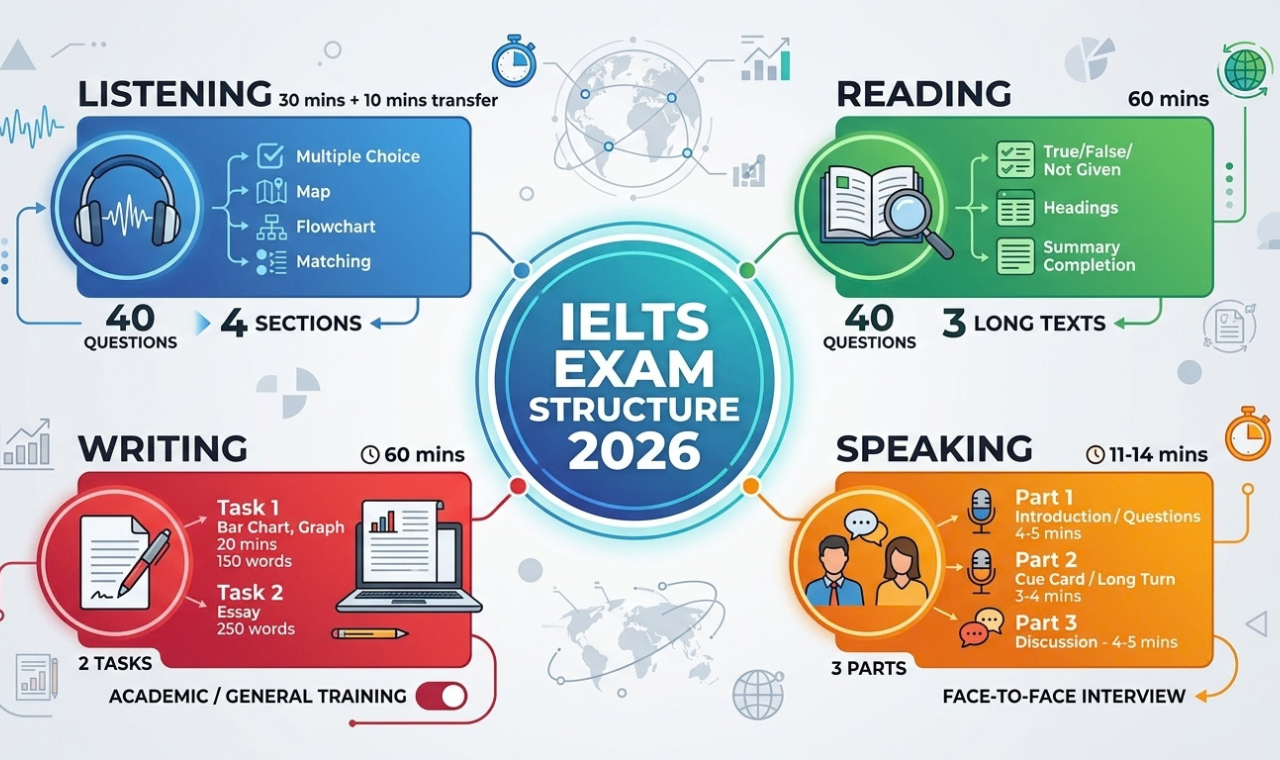
The IELTS test has four sections: Listening, Reading, Writing and Speaking. In this blog, we explain each section, the question types and how your band score is calculated. We also show you how to work out your overall score and explain the fees and booking process in 2026.
Let’s look at each module now, one by one, along with their different question types and band score calculation criteria:
1- IELTS Listening Module Structure
The Listening test checks how well you understand spoken English in daily life and in study situations. It tests whether you can follow main ideas and catch important details. The test takes about 30 minutes. Academic and General Training candidates take the same Listening test. For IELTS listening tips, read this blog.
(i) Total Parts of the listening module:
In the listening module, there are four parts and 40 questions:
- Part 1 is a conversation between two people about an everyday topic.
- Part 2 is one person talking about a daily life topic.
- Part 3 is a conversation between up to two people in a study setting, such as students discussing different aspects of a project together.
- Part 4 is one speaker giving a lecture on an academic subject.
(ii) Question Types of IELTS Listening Test:
There are seven different types of questions in the IELTS Listening test:
- Multiple choice: In the multiple choice question type, you choose the correct answer from a list of options. There are two different versions of this. Sometimes, we have to choose one correct answer from five options, and in another case, we have to choose one correct answer from three given options. This question type comes in Part 2 and Part 3.
- Matching Statement: Most commonly found in Part 3. This is kind of a definition matching; you connect a list of items with the correct information. Many students find this question to be difficult because of different opinions given by the speakers.
- Map, plan or diagram labelling: This question type comes in the listening Part 2, and we have to find the location of each place on the map or label a certain diagram. Knowing the vocabulary for this question type is very important when you are looking for different locations on the map for each question.
- Form, note, table and summary completion: In this question type, we have to find the missing word to complete the meaning of the sentence, and it mostly comes in Part 1, Part 2 and 3.
- Short answer questions: This question type comes rarely in IELTS Listening Part 2 and Part 3
(iii) How Scores Are Calculated
Each correct answer gets one mark, so your raw score is out of 40. This score is then changed into a band score. For example, 30 correct answers usually give Band 7, and 35 correct answers usually give Band 8. Your spelling must be correct, or you lose the mark. Click on the button below to check the band score table of the IELTS Listening module:
2- Structure of IELTS Reading Module
The Reading test checks how well you understand written English. It tests whether you can find information quickly and understand main ideas. You have 60 minutes to answer 40 questions. Now there are types of exams, as we know: IELTS Academic and IELTS General Training, so the structure of both reading tests are different from each other. Read below:
(i) IELTS Academic Reading
This version is for people who want to study at university or join a professional organisation. There are three long passages, and they become harder as you go. The texts come from books, journals, magazines and newspapers. Question types include:
- Multiple choice: In this question type, you choose the correct answer from a list of options. There are two different versions of this. Sometimes, we have to choose one correct answer from four options, and in another case, we have to choose one correct answer from three given options. This question type comes in Passage 2 and Passage 3.
- True/False/Not Given & Yes/No/Not Given: In this question type, we have to find out if the given question statement is similar, dissimilar or not given according to the passage information.
- Matching headings: There are a number of headings containing different information, and we match which specific paragraph heading is taken from a certain paragraph.
- Matching information: In this question, they give us some statements, and we have to find out which statement is taken from which specific paragraph.
- Sentence completion, summary completion and diagram labelling: These are essentially question types, which we call fill in the blanks, in which we have to find the missing word by looking in the passage.
(ii) IELTS GT Reading Pattern & Question Types:
The General Training version is for people who want to work or live in an English-speaking country. It also has three sections. Section 1 has short texts about daily life, such as adverts or notices. Section 2 has two texts about work, such as job descriptions or staff rules. Section 3 has one longer text on a general topic. The question types are the same as in the Academic test.
(iii) How Scores Are Calculated
Both versions give one mark for each correct answer. However, Academic texts are more difficult, so you need fewer correct answers for the same band. For example, Band 7 needs about 30 correct answers in Academic Reading but about 34 in General Training Reading. Click on the button below to check the band score tables of both:
3- IELTS Writing Question Types & Exam Pattern:
The Writing test checks how clearly and correctly you can express ideas in written English. You have 60 minutes to complete two tasks.
(i) IELTS Academic Writing:
There are two different tasks in academic writing, Task 1 and Task 2:
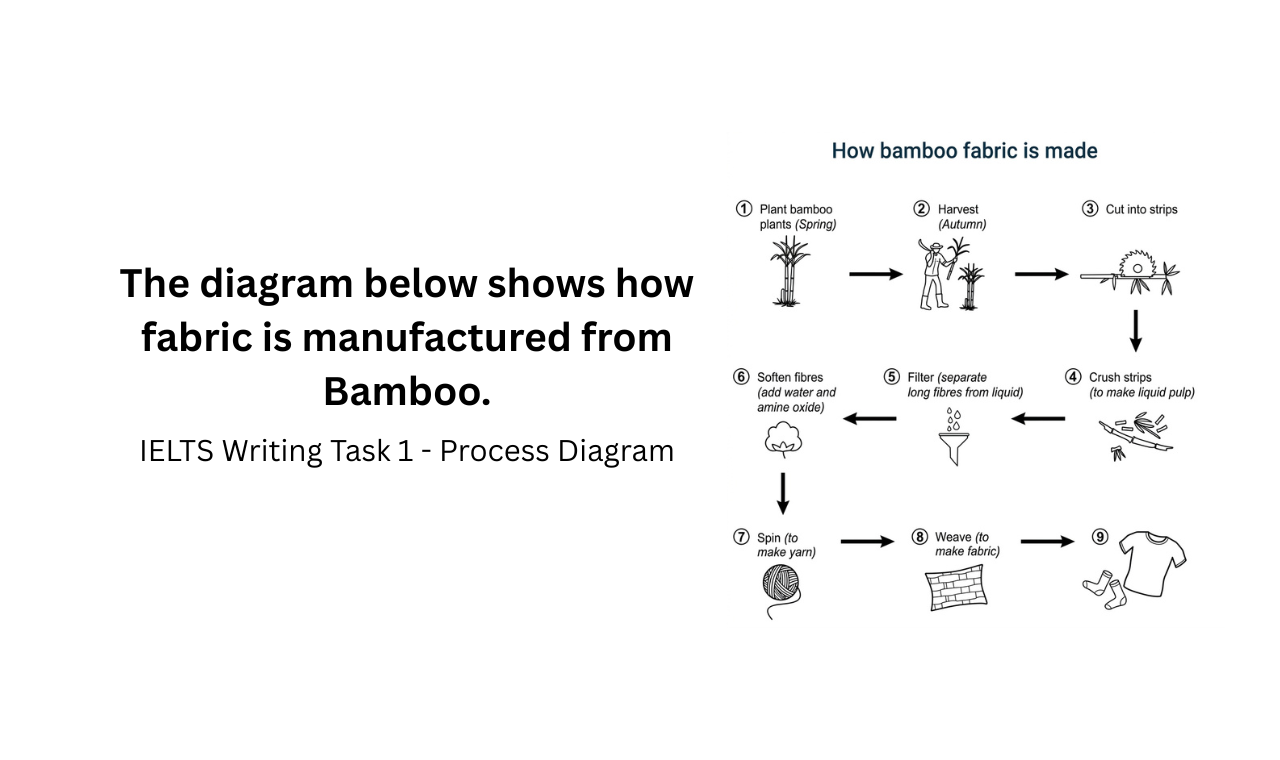
- In Task 1, you describe and compare the main information in a line graph, table, chart, map or process diagram. You must write at least 150 words in about 20 minutes.
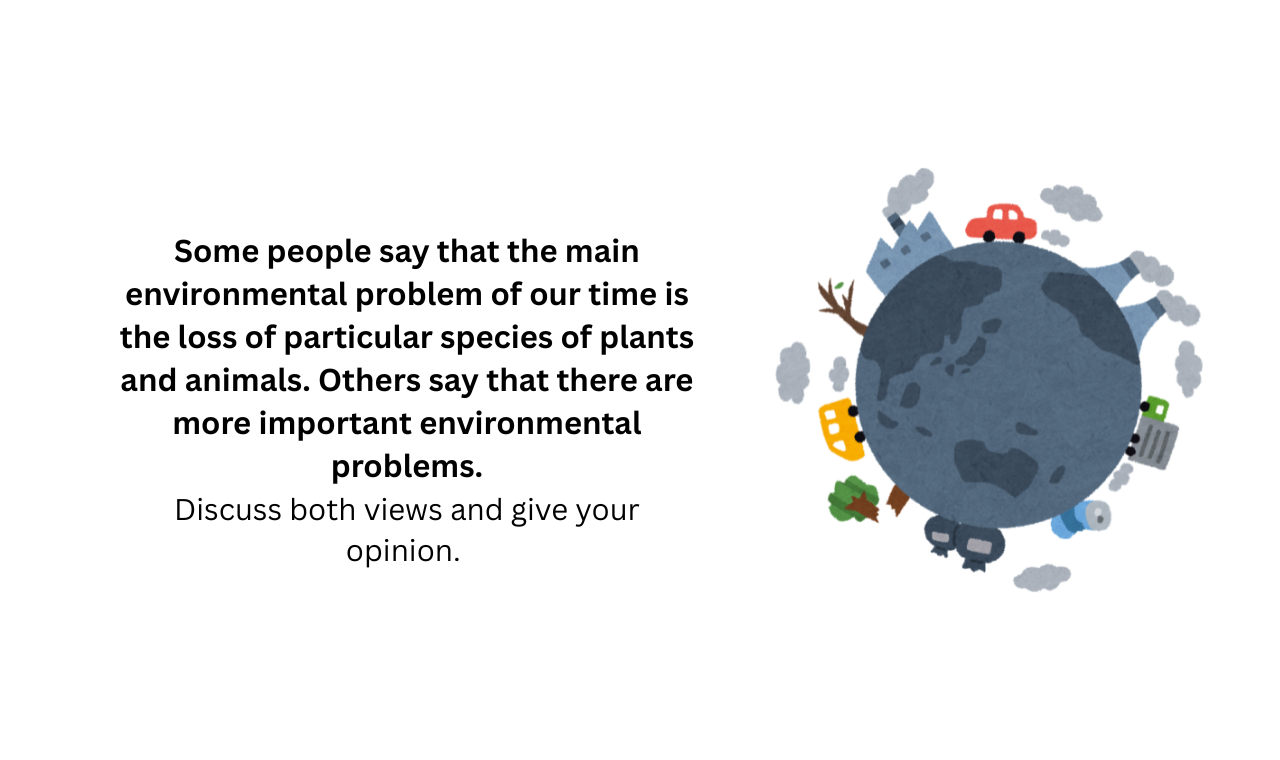
- In Task 2, you write an essay of at least 250 words about an opinion, an argument or a problem. You should spend about 40 minutes on it. Knowing the structure is very important for higher scores.
(ii) IELTS GT Writing:
In GT writing, we complete two different tasks:
- In Task 1, you write a letter of at least 150 words about a daily life situation, such as complaining to a manager or inviting a friend. The letter can be formal, semi formal or informal.
- Task 2 is an essay of at least 250 words. It is similar to the Academic essay, but the topics are usually more general.
(iii) How Scores Are Calculated
Examiners use four criteria: Task Achievement or Task Response, Coherence and Cohesion, Lexical Resource, and Grammatical Range and Accuracy. Each criterion gets a band score, and Task 2 counts twice as much as Task 1. If you write fewer words than required, you will lose marks.
4- IELTS Speaking Exam Pattern & Topics:
The Speaking test checks how well you communicate in spoken English. It is a face-to-face interview with an examiner, although some centres use a video call. The whole test takes 11 to 14 minutes.
(i) Parts of the Speaking Test:
There are three main parts of the speaking test after an introduction:
- Part 1 lasts 4 to 5 minutes. The examiner asks simple questions about familiar topics, such as your home, studies, work or hobbies.
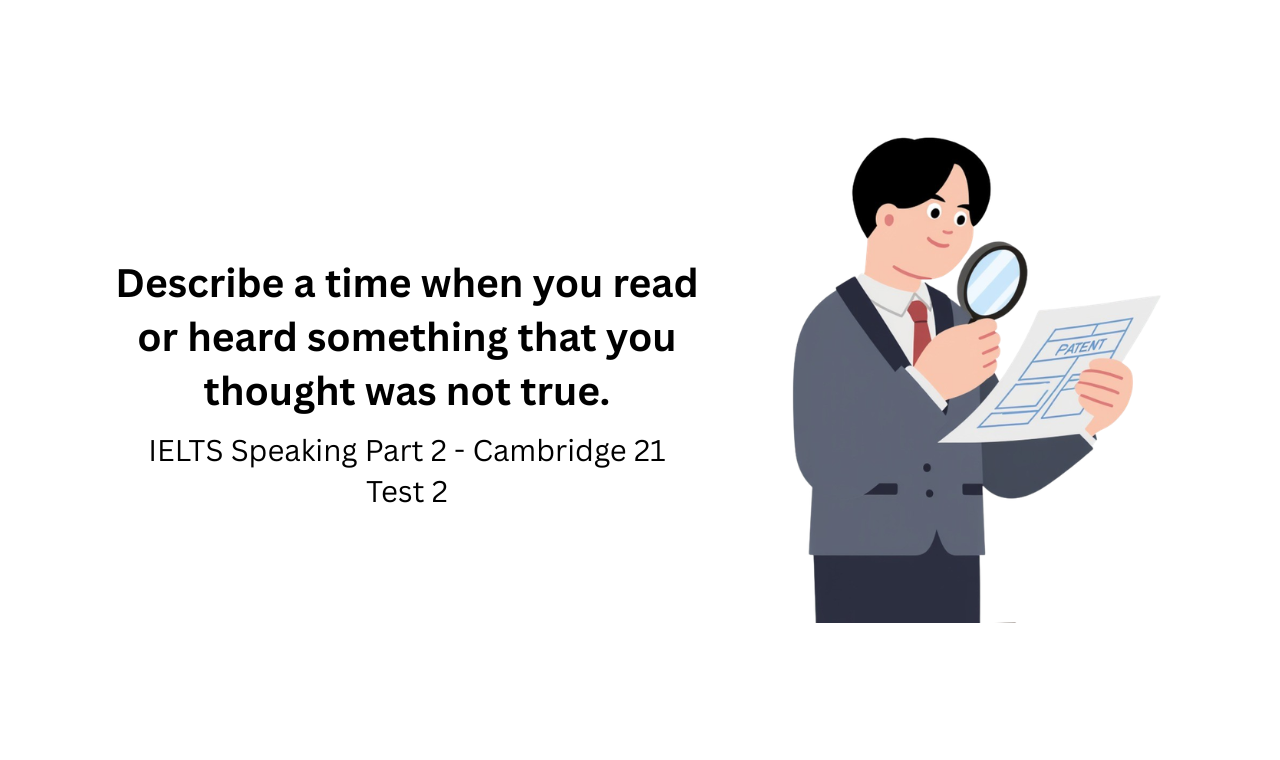
- Part 2 lasts 3 to 4 minutes. You get a card with a topic and one minute to prepare, and then you speak for up to two minutes.
- Part 3 lasts 4 to 5 minutes. The examiner asks deeper questions linked to your Part 2 topic, and you must give opinions with reasons.
(ii) How Scores Are Given
The examiner scores you on Fluency and Coherence, Lexical Resource, Grammatical Range and Accuracy, and Pronunciation. Your Speaking band is the average of these four scores.
5- IELTS Total Band Score Calculator
Your overall band score is the average of your four section scores. Add the four scores and divide the total by four. If the result ends in .25, it goes up to the next half band. If it ends in .75, it goes up to the next whole band. For example, if you get 6.5 in Listening, 6.5 in Reading, 5.0 in Writing and 7.0 in Speaking, the total is 25. When you divide 25 by 4, you get 6.25, so your overall score is 6.5. Use the calculator below to find your total band score:
IELTS Band Score Calculator
Select your four module scores to get your Overall Band Score
Overall Band Score
—
6- IELTS Exam Fees and Booking
The IELTS fee is different in each country, but in most places it is between about 200 and 300 US dollars. You can book online through the British Council or IDP websites. You can choose a computer-based or paper-based test, but in 2026 more centres are moving to computer-based testing. Computer-based results usually arrive within a few days, while paper-based results take about 13 days. Always check the latest fee on the official website before you book.
7- Conclusion
In 2026, the IELTS test still has the same four sections, but computer-based testing is becoming more common. Knowing the parts, question types, and scoring system helps you prepare in a smarter way. Practise every section regularly and take full mock tests before your exam day.
8- FAQs
The whole test takes about 2 hours and 45 minutes.
Yes, both versions use the same Listening and Speaking tests. Only Reading and Writing are different.
Most universities and organisations accept IELTS scores for two years.
No. Paper-based test centres now ask candidates to use a black pen.
There are two formats of the IELTS exam: computer-based and paper-based.
Yes, according to new IDP rules, you can take this option.
You should solve the mock tests available on our website and practice from the Cambridge IELTS book series only.

Written By: Hamza Ahmad
I’m an English language trainer with 3+ years of experience in IELTS, helping students achieve scores as high as an 8.0 overall band. A published contributor to Modern English Teacher (MET), I founded IELTS Prep and Practice to help students hit their target scores through proven strategies and personalized coaching.
Contact Now